Kayla and Tru’s Story: Pregnancy, Postpartum Care, and Access to Medicaid
This Black Maternal Health Week, we are highlighting a story of resilience and resourcefulness — and what it looks like to access Medicaid when it’s available. Meet Kayla and her son Tru, then learn how you can take action.
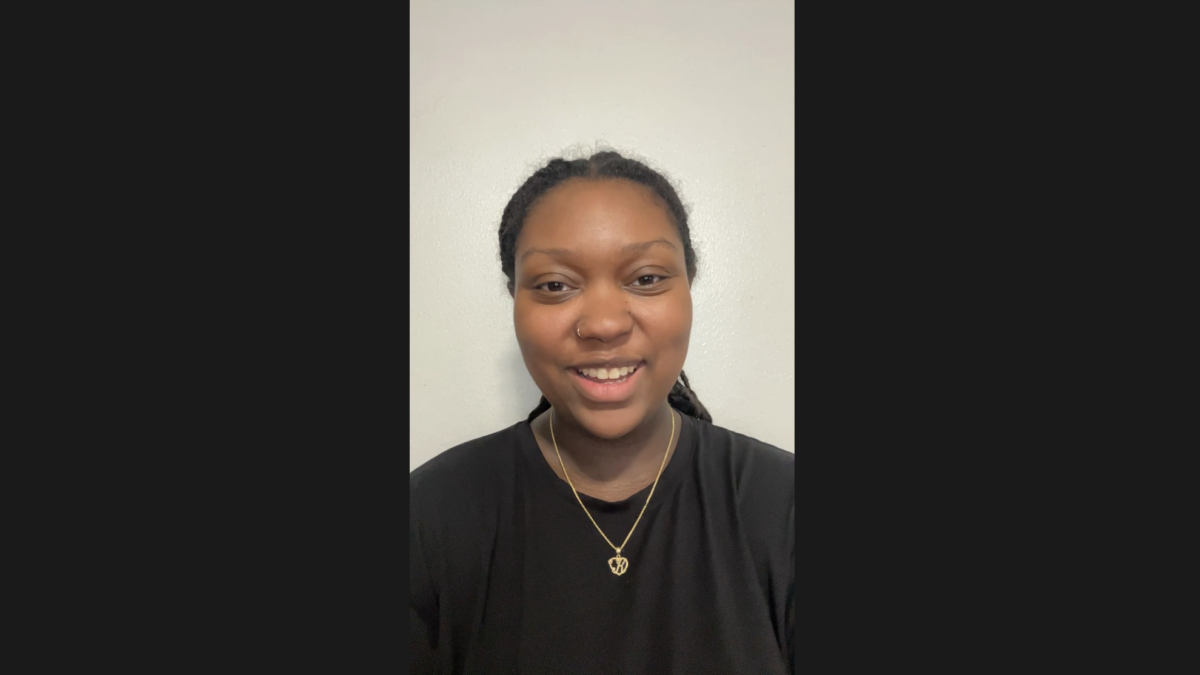
Kayla was 24 years old, working a seasonal job in Louisville, Kentucky, and newly pregnant with no insurance that would cover what was coming. Her employer didn’t offer coverage to part-time workers. Her primary insurance, still carried through her mother, had significant gaps. And she had no idea how she was going to afford the months of prenatal appointments ahead, let alone the birth of her son.
Then she found out she qualified for Medicaid.
“It just took a major weight off of my shoulders,” says Kayla. “It definitely helped out a lot.”
Over the past year, Medicaid helped cover far more than a pregnancy. It made it possible for Kayla and her son Tru to access care through a NICU stay, a postpartum nerve condition, physical therapy, counseling, birth control, and every well-child visit in between. This is what Medicaid actually does, and it is exactly what is at stake for millions of families like hers as Republicans consider additional cuts to Medicaid after cutting trillions from the program in the so-called “Big Beautiful Bill.”
4 in 10 of all births in the U.S. are covered by Medicaid
64% of births by Black mothers are covered by Medicaid
A Pregnancy Without a Safety Net, Until There Was One
Kayla’s path to Medicaid started the way it does for many people: through a gap in the system. The existing coverage through her parent would not cover the full cost of prenatal care and Kayla needed to find a way to access affordable and comprehensive health care for her baby and her.
Don’t be afraid to even try and at least use this resource. I definitely didn’t think it was going to cover [us]. Utilize the resources you can.”
When she learned she qualified for Medicaid based on her pregnancy, she applied, but it was not seamless. The application took nearly a month. She had to reapply after her first attempt was not approved, and every time she submitted a document, another was requested.
“It was like one thing after another. It was never ending,” she shares. Those bureaucratic hoops are an all-too familiar hurdle for many — and impending work reporting requirements will only further complicate the process.
But once approved, Kayla’s Medicaid covered her prenatal visits, labs, ultrasounds and the full cost of delivery. Her primary insurance covered some expenses; Medicaid stepped in as secondary coverage and covered the rest.
“If I didn’t have Medicaid and I stayed with the same doctor, I would have paid probably about $70 to $100 or more per visit,” she said. “And obviously going to the doctor is very frequent when you’re pregnant.”
When the Unexpected Happens: Tru’s NICU Stay and Kayla’s Recovery
Kayla went into her pregnancy knowing she was high risk.
“I already knew about the maternal death rate,” she says, referring to the well-documented reality that Black women in the United States face significantly higher rates of pregnancy-related death and complications than women of other races. “So I definitely made sure my birth plan was what I needed. Made sure it had an advocate for me as well, in case something was going south.”
Her caution was warranted. After giving birth, Kayla spent about five days in the hospital dealing with a sciatic nerve issue and postpartum complications. Tru spent eight days in the neonatal intensive care unit.
“There was no way we were going to be able to afford his NICU stay without Medicaid,” Kayla shares.
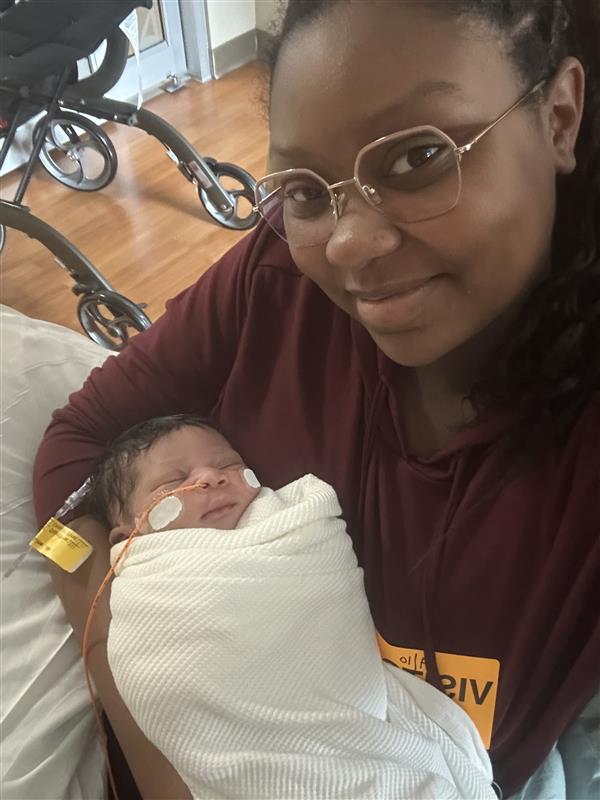
She also described something that will resonate with many Black women who have given birth: a feeling that her pain was not being taken seriously until it finally was. “It didn’t seem like, at first, my issues were really taken seriously when it came to my leg problem, until very late down the line.” Having a Black nurse in the room during delivery, she noted, made a meaningful difference in her experience.
As Kayla knows firsthand, the intersection of race, coverage, and care quality makes all the difference.
Beyond Pregnancy: What Medicaid Covers That People Don’t Expect
One of the most important things Kayla wants people to understand is that her Medicaid coverage did not discontinue when Tru was born. A year later, mother and son are still covered.
Don’t forget about us. Don’t forget that there are everyday people… utilizing [Medicaid] and are still needing it.”
Since giving birth, she has used Medicaid for follow-up appointments related to her sciatic nerve issue, ongoing physical therapy, counseling, birth control and primary care visits. Tru, who qualifies for Medicaid in his own right, has all of his well-child visits covered as well.
“I’ve used [Medicaid] for all of it,” she said.
Medicaid is the largest payer of reproductive health care in the country, covering nearly 18 million women of reproductive age with access to services including birth control, cancer screenings, and maternity care, often with no cost-sharing. Due to systemic barriers to economic advancement, Medicaid covers two-thirds of births for Black mothers. For young women like Kayla, navigating early adulthood with part-time or seasonal work, Medicaid is frequently the only realistic path to comprehensive care.
Kayla is aware that her coverage has a timeline.
She will turn 26 soon and expects her eligibility to shift as she ages out of her parent’s health care coverage. She does not know yet what will happen to Tru’s coverage. She has been hearing about proposed cuts to the program mostly through social media and the news and has still not received formal notice from her state Medicaid office about what might change. That gap in communication is its own concern.
What Is at Stake
Medicaid covers more than 4 in 10 births in the United States, according to the Centers for Medicare and Medicaid Services. It is the backbone of reproductive and maternal health coverage for millions of families.
Yet cuts included in the Republican “Big Beautiful Bill” will impose work reporting requirements, restrict eligibility, and reduce funding in ways that will push families out of coverage. Proposed cuts would push out the very people Medicaid was designed to protect: women and families with low incomes, part-time and seasonal workers, new parents and children.
“Don’t forget about us,” Kayla says, speaking directly to lawmakers. “I know that they have coverage from doing what they’re doing. But some of us under y’all don’t have that privilege. Don’t forget that there are everyday people that are utilizing this program and are still needing it.”

A Program Worth Protecting
Kayla and Tru are healthy. They are caught up on their appointments. They are making it. And they are doing so in large part because a program was there when they needed it, even if it took a month of paperwork to get enrolled.
As lawmakers consider additional cuts to Medicaid funding, real people like Kayla and her son are worried what will happen to a critical program which clearly needs more resources to better meet their needs — not fewer.
Her message to anyone who qualifies: apply. Even if the process is long. Even if you are not sure you will be approved. Even if you did not think you would need it.
“You never know what’s going to happen,” she said. “I didn’t expect to be in the hospital as long. I didn’t expect for him to be where he was. But it was definitely needed and helpful.”
Add your voice
Have you used Medicaid for pregnancy, postpartum care, birth control, or other reproductive health needs? Your story can help protect and expand access to affordable care for everyone. Share it with us: